Electric Furnaces
How Electric Furnaces Work
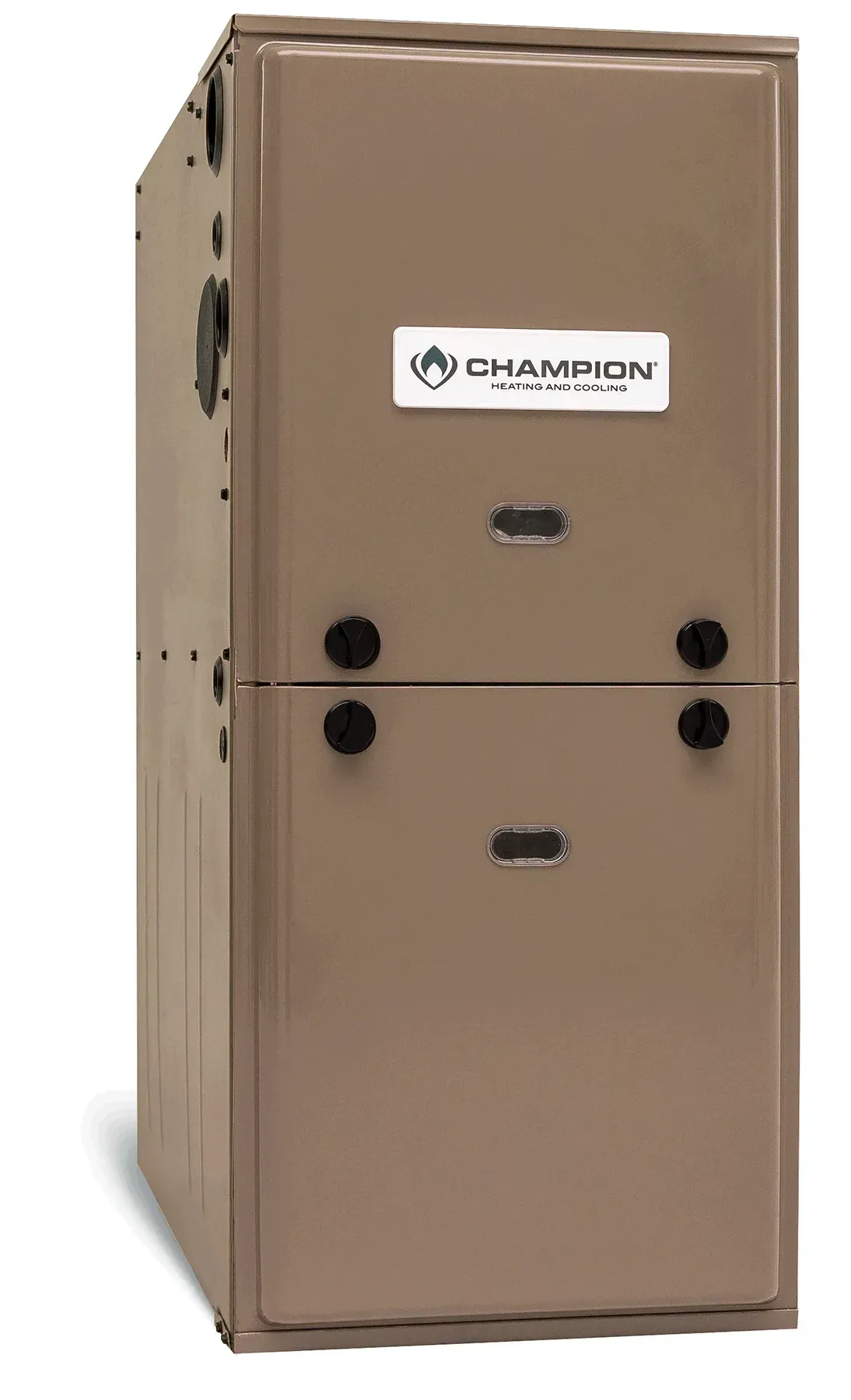
Electric furnaces use electric heating elements to warm air, which is then circulated through your home by a blower. Unlike gas furnaces, they don’t burn fuel but convert electricity directly into heat.
These systems include simple controls that regulate temperature and airflow, making them easy to operate and maintain. Their design offers a clean, quiet heating option without combustion byproducts.
Advantages of Electric Furnaces
High Efficiency
Electric furnaces convert nearly all electricity into heat, minimizing energy waste and lowering utility bills.
Lower Operating Costs
With fewer moving parts and no fuel combustion, electric furnaces reduce maintenance expenses and energy costs.
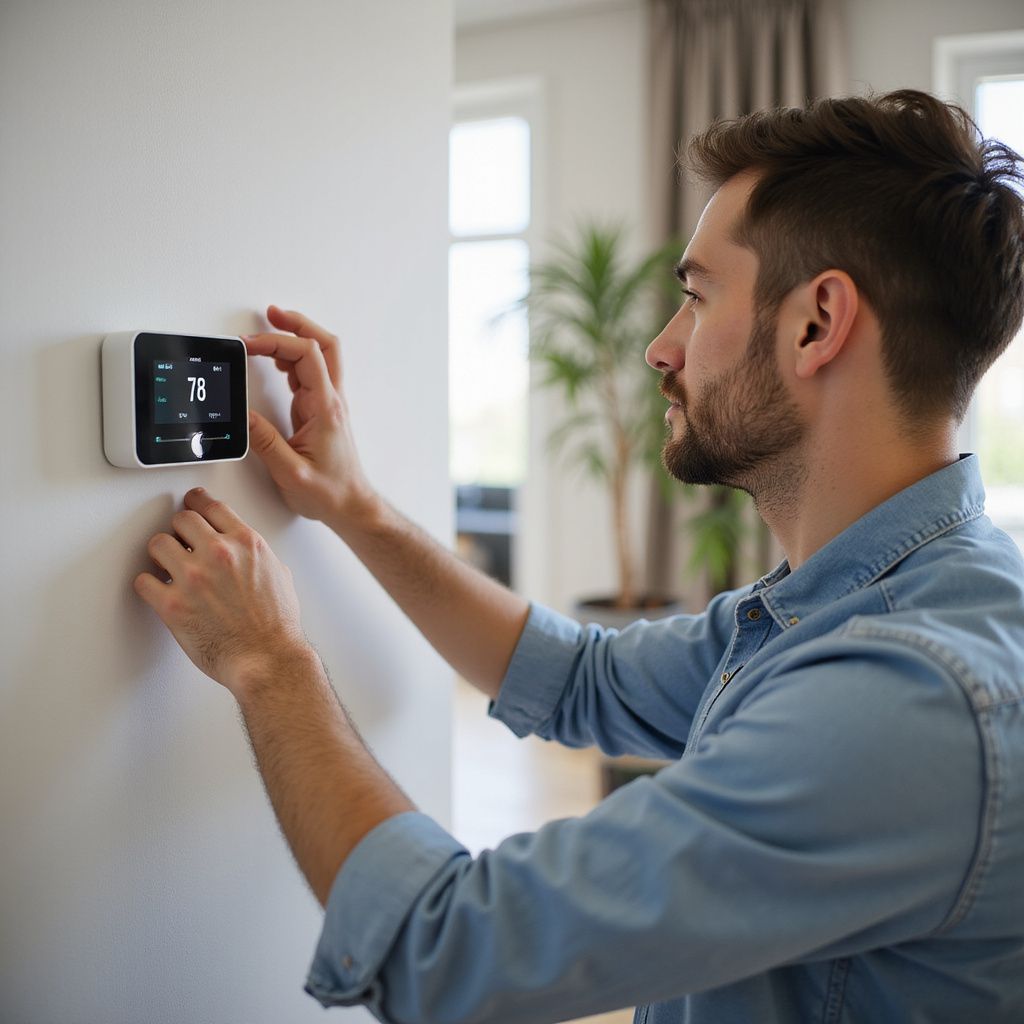
Clean and Quiet
Electric furnaces produce no combustion emissions and operate silently, enhancing indoor air quality and comfort.
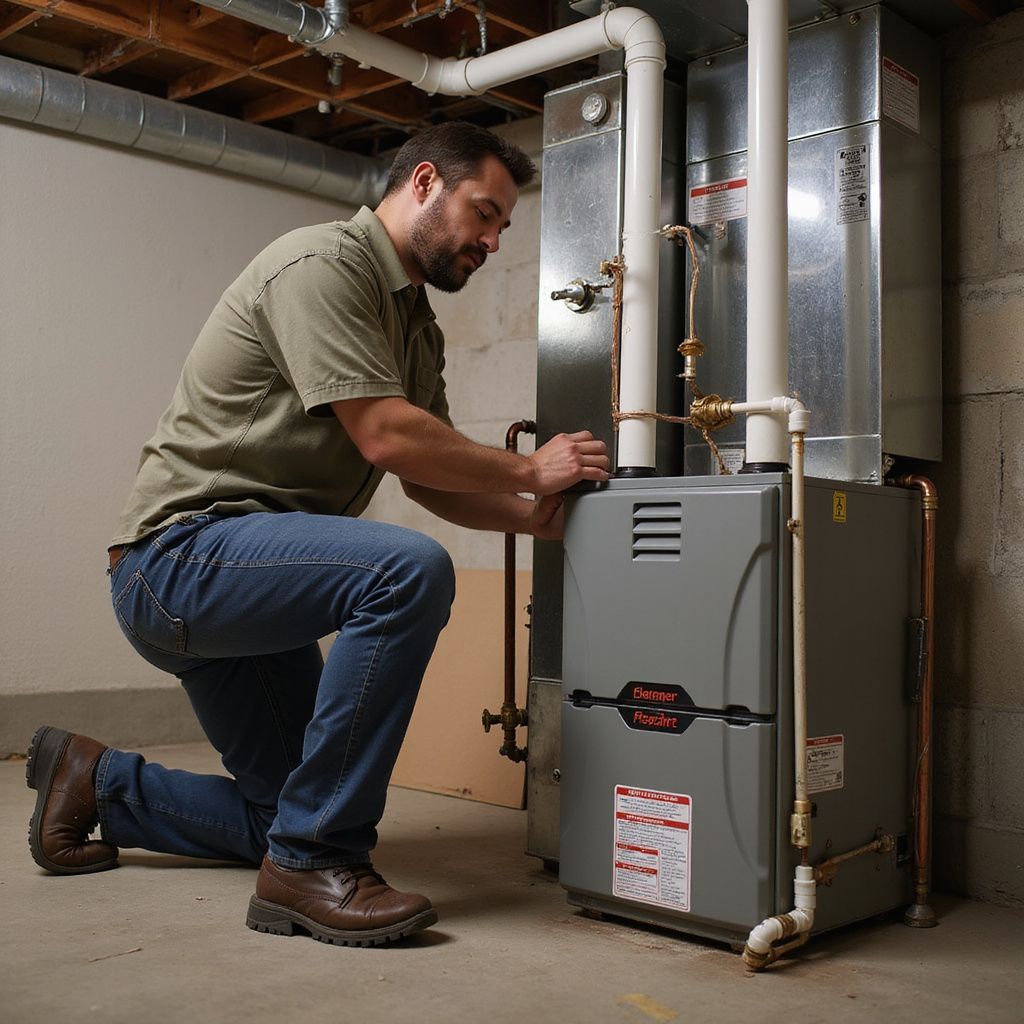
Smart Thermostat Compatibility
Pairing electric furnaces with smart thermostats allows precise temperature control, scheduling, and energy savings.
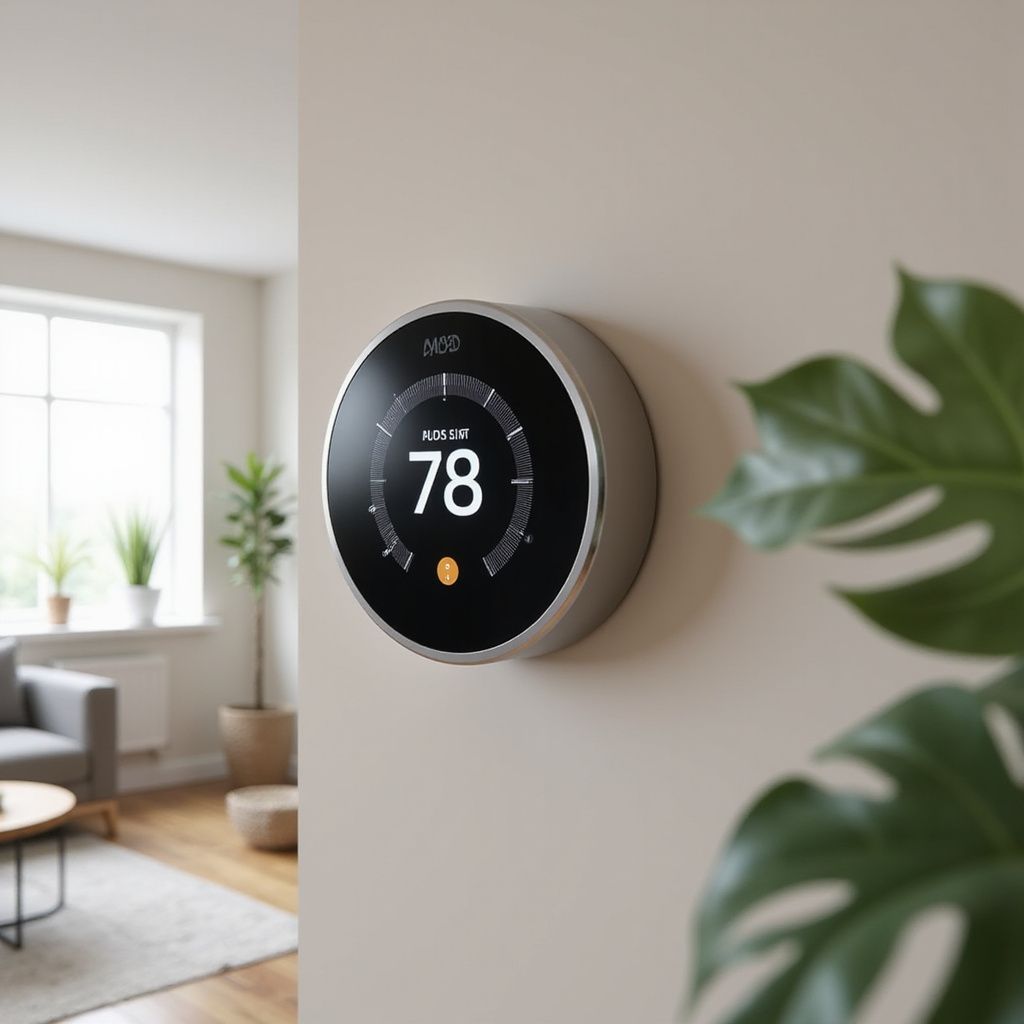
Why Electric Furnaces Suit Moderate Winters and Gas-Free Homes
Ideal for Mild Winter Climates
Perfect for Homes Without Gas Access
Simple Installation and Operation
Clean and Quiet Heating
Energy Use Tailored to Your Needs
Reliable Heat When You Need It
How Electric Furnaces Work
A straightforward look at the main parts of electric furnaces and how they heat your home efficiently.
Airflow System
Electric furnaces use a blower to pull cool air from your home, push it over heating elements, and then circulate warm air through your ducts.
Heating Elements
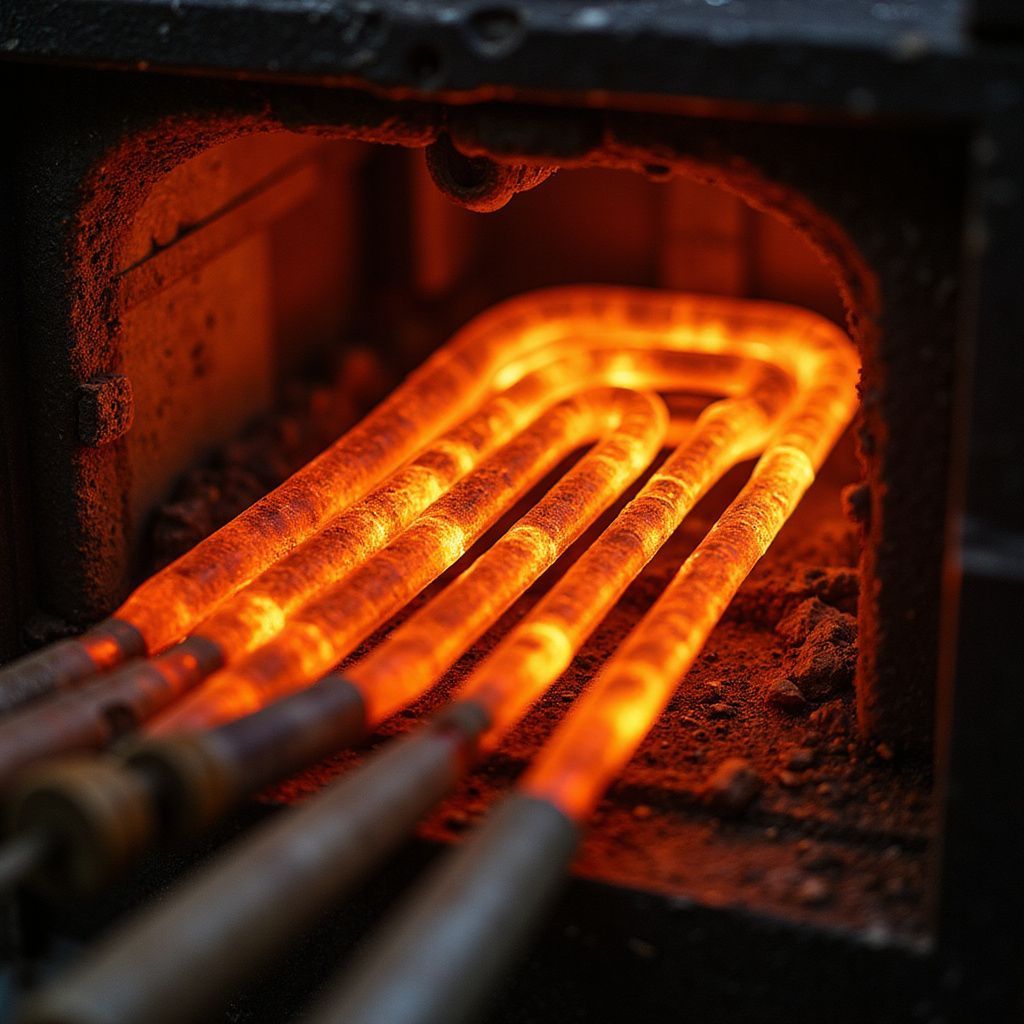
These metal coils heat up when electricity passes through them, turning electrical energy into heat that warms the air flowing past.
Control Components
Thermostats and safety switches regulate temperature and ensure the furnace operates safely and only when needed.
Simple and Reliable Design
With fewer moving parts than gas furnaces, electric models offer straightforward operation and easier maintenance for homeowners.
Electric Furnace FAQs: What You Should Know
Electric furnaces use electric heating elements to warm air, which is then circulated through your home by a blower. Unlike gas furnaces, they don’t rely on combustion, making them cleaner and simpler to maintain. These systems are well-suited for homes without natural gas access and perform efficiently in moderate winter climates.
How does an electric furnace work?
Electric furnaces heat air by passing it over electric coils. A blower then pushes the warm air through ducts to heat your home evenly. This process avoids combustion, reducing indoor pollutants and simplifying maintenance.Are electric furnaces cost-effective to operate?
While electric furnaces typically have lower upfront costs and require less maintenance, their operating costs depend on local electricity rates. They are often more economical in areas without natural gas and for homes with moderate heating needs.What is the expected lifespan of an electric furnace?
Electric furnaces generally last between 15 to 20 years with proper maintenance. Their simple design and fewer moving parts contribute to reliable, long-term performance when serviced regularly.How environmentally friendly are electric furnaces?
Electric furnaces produce no on-site emissions, making them a cleaner option compared to gas models. Their environmental impact depends on the electricity source, with renewable energy further reducing their carbon footprint.