Gas Furnaces
Dependable Heat for Missouri Winters
Gas furnaces provide consistent warmth even during Missouri’s harsh winter storms and sudden temperature drops.
Built to handle extreme cold and fluctuating weather, gas furnaces maintain steady heat output to keep your home comfortable all season.
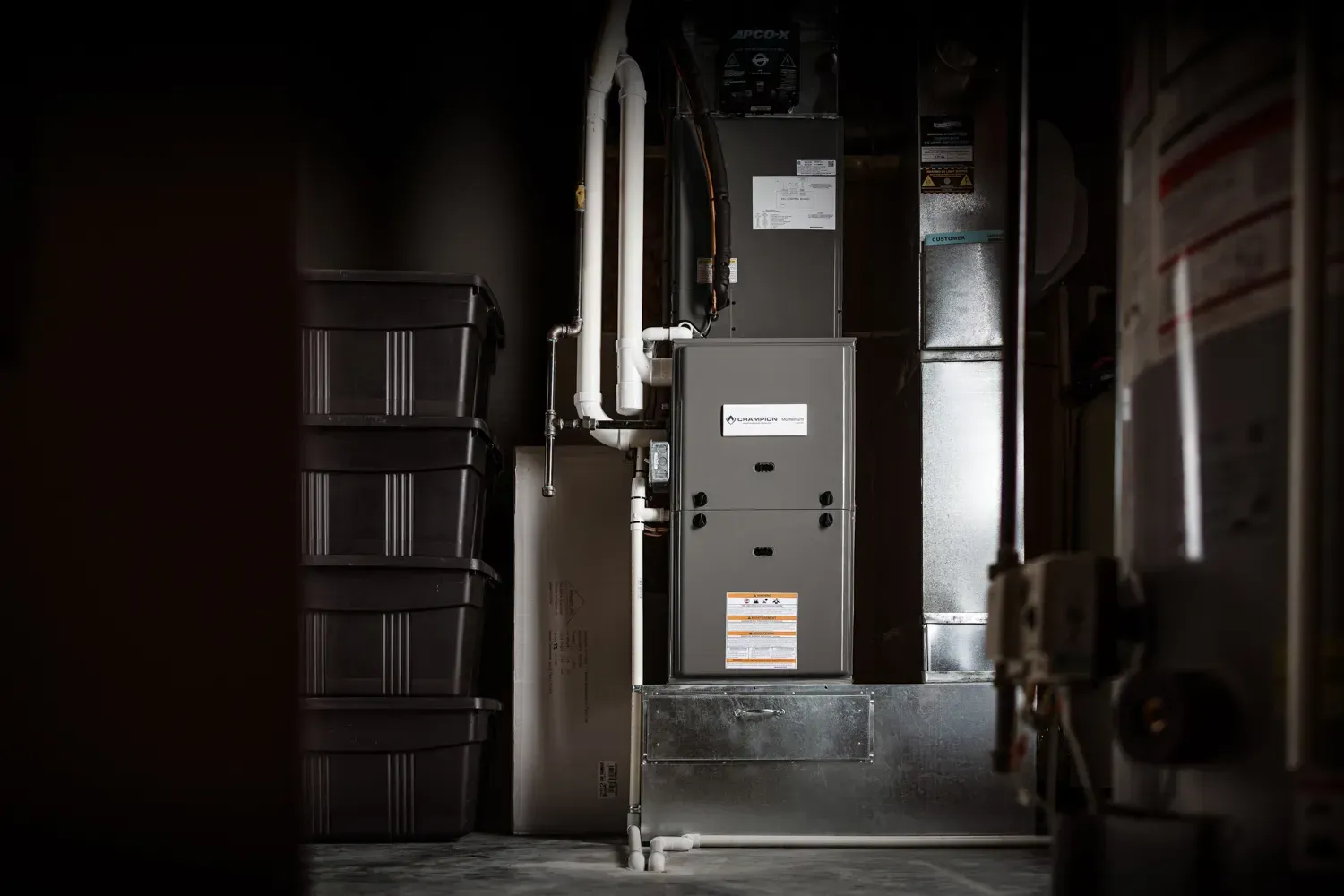
Gas Furnace Components Explained
Burners
Heat Exchangers
Blower Fan
Thermostat
Flue Pipe
Control Board
Advantages of Gas Furnace Systems
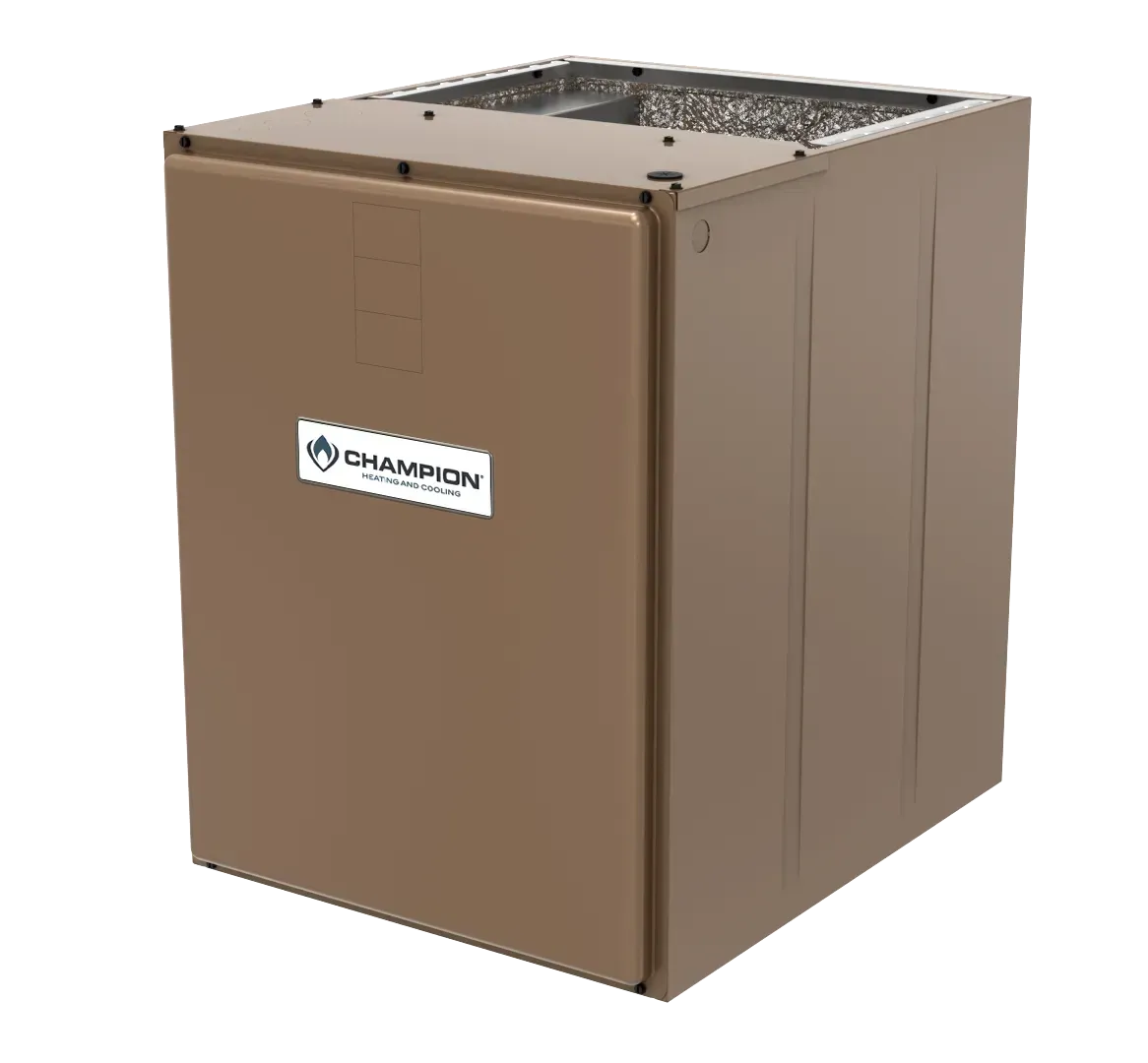
Strong Heat Output
Gas furnaces deliver consistent and robust warmth, quickly raising indoor temperatures even during the coldest days.
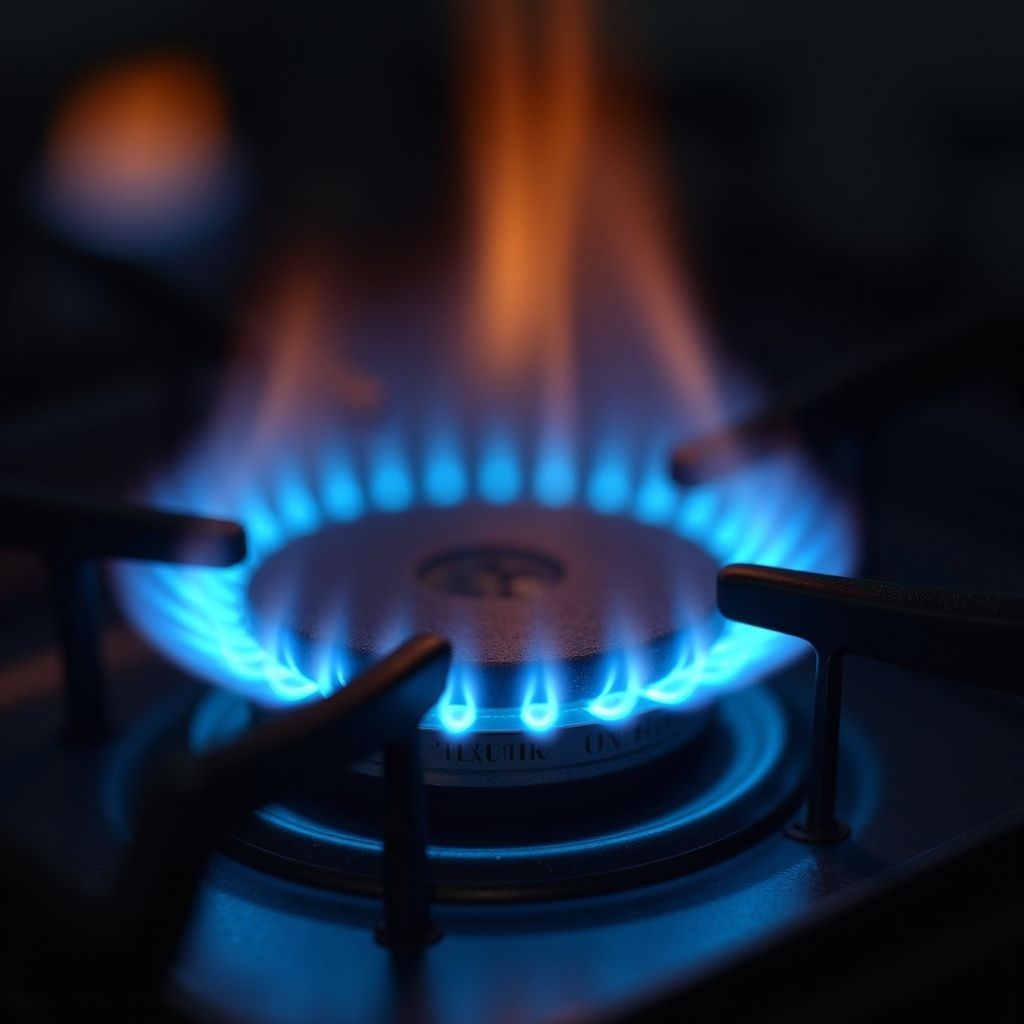
High Energy Efficiency
Modern gas furnaces convert most fuel into heat, reducing energy waste and lowering monthly heating costs.
Durability and Longevity
Built with sturdy components, gas furnaces often last 15 to 20 years with proper maintenance, providing lasting value.
Reliable Performance
Gas furnaces maintain steady operation through Missouri’s temperature swings, ensuring dependable heat when you need it most.

Common Questions About Gas Furnace Performance and Safety
Gas furnaces offer dependable heating by burning natural gas or propane, but many homeowners have questions about their efficiency, safety, and operation during power outages. Below, we address key concerns to help you understand how these systems perform in everyday use.
How efficient are gas furnaces compared to other heating options?
Modern gas furnaces typically achieve efficiency ratings between 80% and 98%, meaning most of the fuel converts directly into heat. This makes them more efficient than older models and many electric heating systems, helping reduce energy costs while maintaining strong heat output.Are gas furnaces safe to use in homes?
When properly installed and maintained, gas furnaces operate safely. They include safety features like flame sensors and automatic shutoff valves to prevent gas leaks or combustion issues. Regular inspections and timely repairs are essential to ensure ongoing safe performance.How long do gas furnaces usually last?
With routine maintenance, a gas furnace can last 15 to 20 years or more. Factors such as usage frequency, installation quality, and timely repairs influence lifespan. Investing in professional upkeep extends system reliability and efficiency.Will a gas furnace work during a power outage?
Most gas furnaces require electricity to power the blower and control systems, so they won’t operate during a power outage unless paired with a backup power source like a generator. However, the fuel source itself remains available, so restoring power quickly resumes heating.